




Laser Cutting vs. Plasma Cutting: How to Choose the Right Machine for Your Business
Choosing the right metal cutting technology can make a significant difference to production efficiency, part quality and manufacturing costs. For metal fabrication businesses, fiber laser cutting and CNC plasma cutting are two widely used options. Both can process conductive metals, but they differ in cutting principles, precision, edge quality, equipment investment and operating costs.
So, which is better: laser cutting or plasma cutting?
The answer depends on your production requirements. A business producing precision sheet-metal components may prioritize fine details and consistent edge quality. A manufacturer processing structural steel and industrial plate may focus more on cutting capability, working area and overall investment.
Understanding these differences helps you choose a machine that meets your current production needs while supporting future business growth.
This guide compares laser cutting and plasma cutting across the factors that matter most to metal fabrication businesses, helping you make a more informed equipment investment.
1. How Do Laser Cutting and Plasma Cutting Work?
Understanding how each technology works is the first step toward choosing the right solution.
How Does Laser Cutting Work?
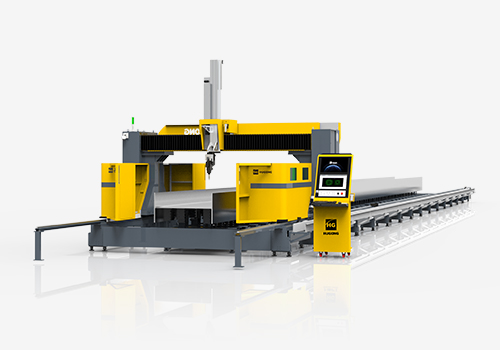
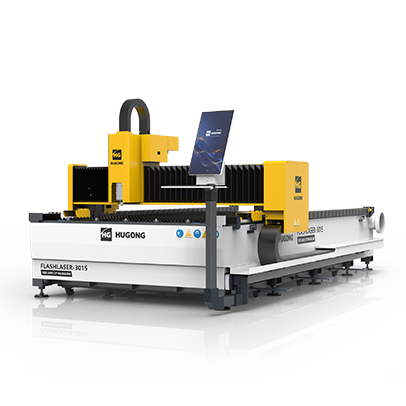
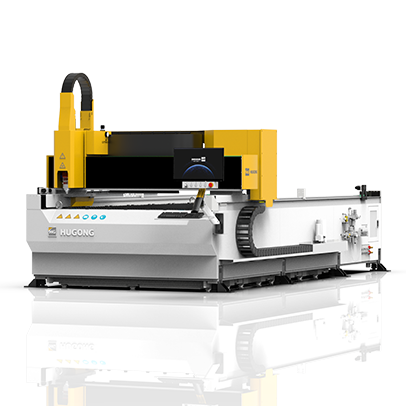
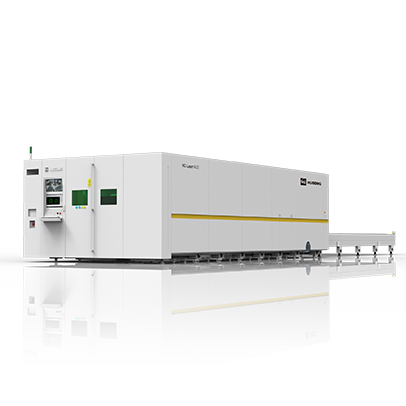
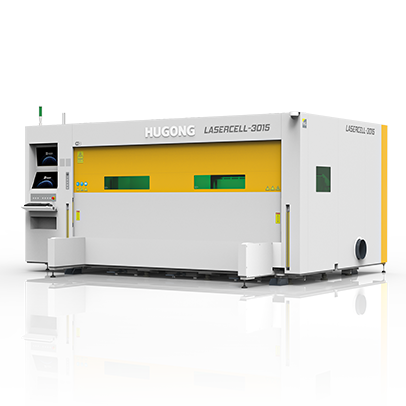
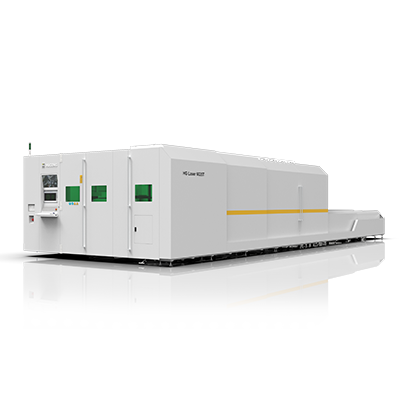
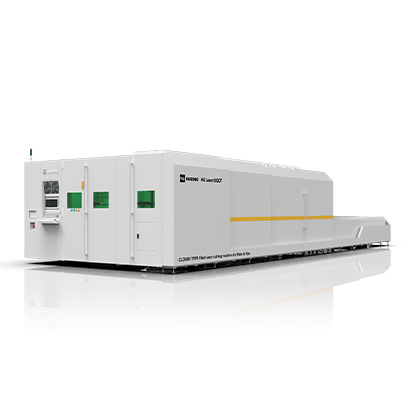
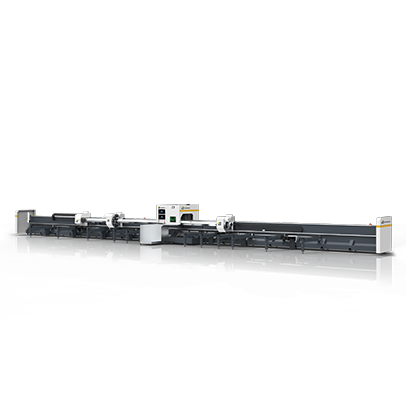
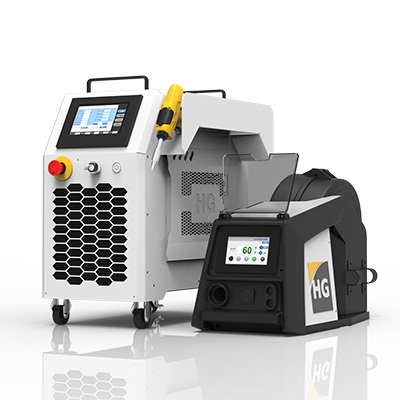
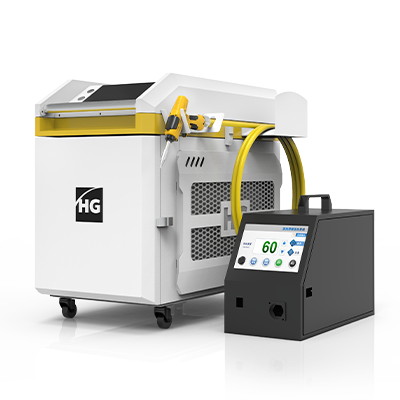
A fiber laser cutting machine uses a concentrated laser beam to heat and melt material along a programmed cutting path. An assist gas helps remove molten material from the cut zone, while a CNC system controls the cutting head's movement.
Fiber laser cutting is commonly used to process compatible metals such as carbon steel, stainless steel and aluminum, depending on the machine configuration, material thickness and cutting conditions.
Its potential advantages include:
• Fine details and complex contours
• Narrow kerfs and high dimensional accuracy under suitable conditions
• Good edge quality with properly selected parameters
• Efficient automated processing for compatible materials and thicknesses
• Repeatable production through CNC programming
These characteristics make fiber laser cutting worth considering for manufacturers that require precision-oriented processing, detailed components or consistent part quality.
How Does Plasma Cutting Work?
、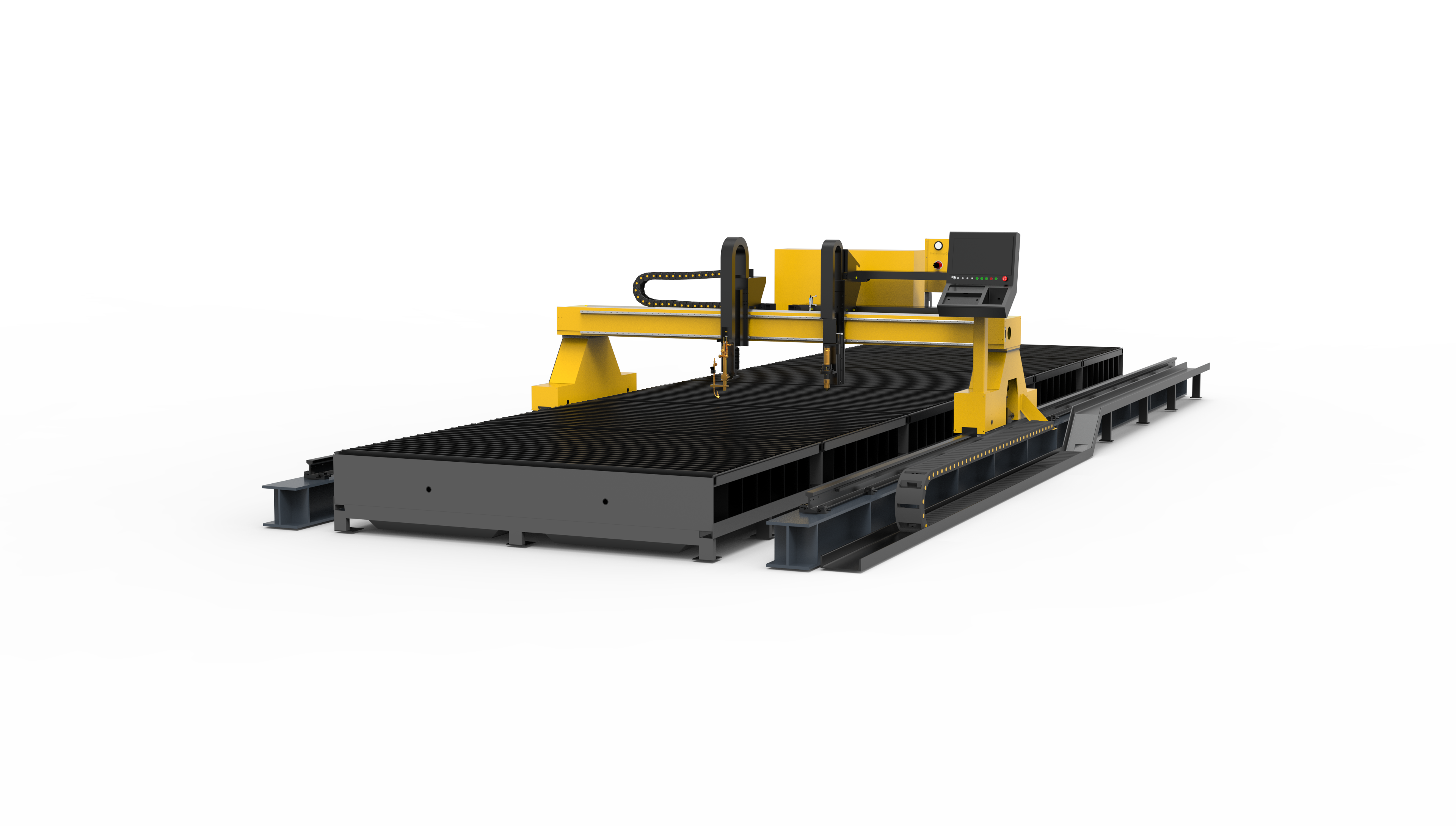
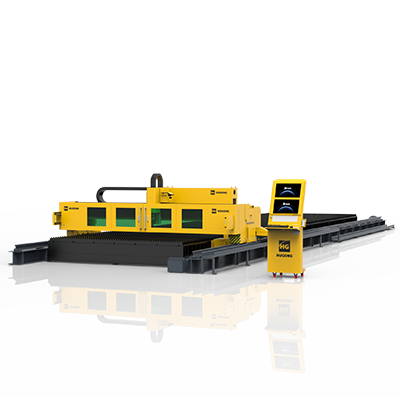
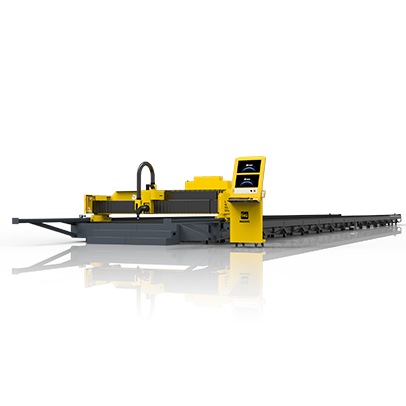
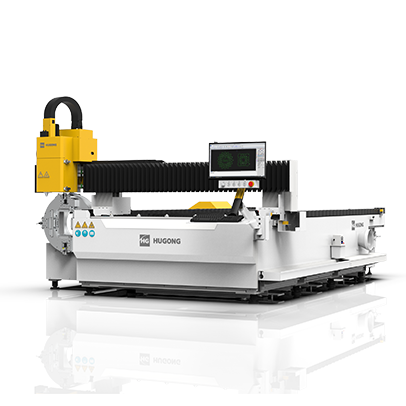
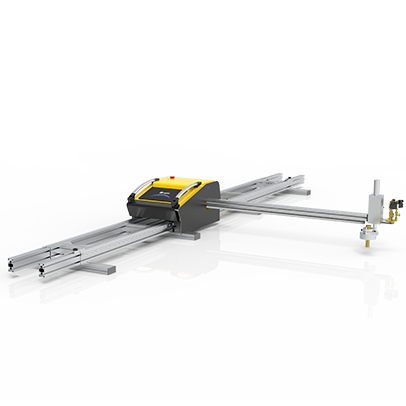
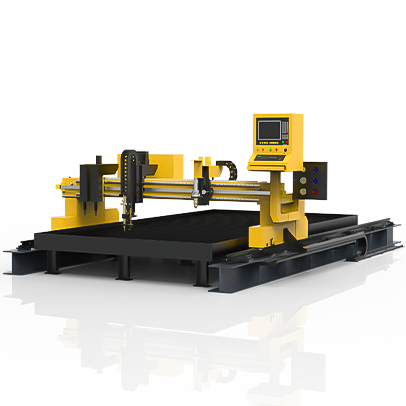
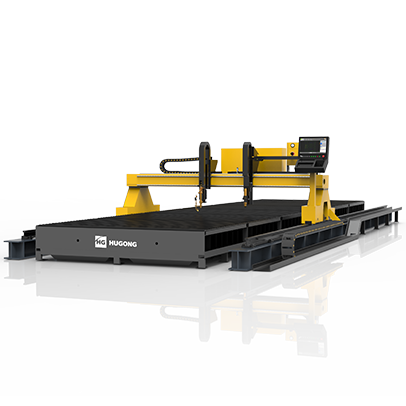
Plasma cutting uses an electrically conductive, ionized gas to generate a high-temperature plasma arc. The arc melts the metal, and the gas flow removes molten material from the cut.
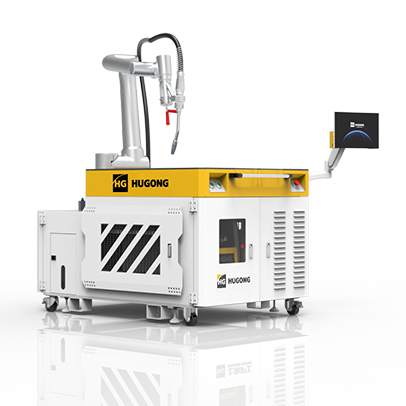
A CNC system controls the torch path, allowing manufacturers to cut programmed shapes and repeat production jobs.
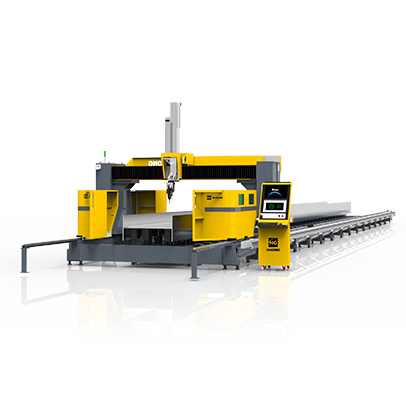
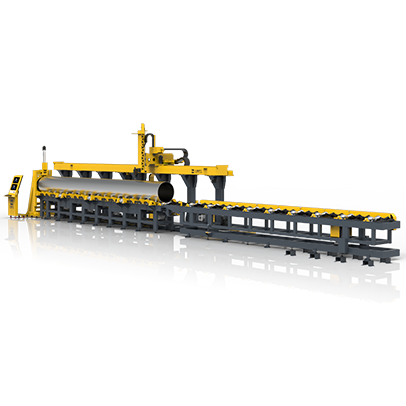
Plasma cutting is widely used in structural steel fabrication, industrial plate processing and general metalworking. Its suitability depends on the material, thickness, plasma power source and machine configuration.
Potential advantages include:
• Suitability for many plate-cutting and structural fabrication applications
• Compatibility with different plasma power-source configurations
• CNC-controlled cutting paths for repeatable production
• A practical option for businesses whose precision and edge-quality requirements can be met by plasma cutting
Neither technology is universally better. The right choice depends on the materials you process, the parts you manufacture and the quality standards your customers expect.
2. Laser Cutting vs. Plasma Cutting: Key Differences
The following comparison provides a practical starting point for evaluating the two technologies.
| Factor | Fiber Laser Cutting | CNC Plasma Cutting |
|---|---|---|
| Main strengths | Precision-oriented cutting and detailed contours | General plate cutting and structural fabrication |
| Cutting principle | Focused laser beam | High-temperature plasma arc |
| Kerf and detail | Often supports finer details and a narrower kerf | Kerf and detail depend on the system and cutting conditions |
| Edge quality | Can produce clean edges with suitable parameters | Edge condition and finishing requirements depend on material, thickness and settings |
| Material suitability | Compatible metals within the machine's processing range | Electrically conductive metals within the system's capability |
| Thickness capability | Depends on laser power, material and configuration | Depends on plasma power source, material and configuration |
| Equipment investment | Varies with laser power, working area, automation and options | Varies with cutting table, power source and configuration |
| Operating costs | Include energy, assist gas, consumables and maintenance | Include energy, consumables, applicable gases and maintenance |
| Key selection factors | Precision, part geometry, cut quality and production needs | Plate-cutting requirements, structural fabrication and production economics |
Actual performance varies by machine, configuration, material grade, thickness and process settings. This comparison should be treated as a general guide rather than a substitute for technical specifications or cutting tests.
3. Cutting Precision and Edge Quality
Cutting precision affects how accurately a part matches its drawing. Edge quality influences whether a part can move directly to welding, assembly or finishing, or requires additional processing.
When Is Laser Cutting the Better Choice?
Fiber laser cutting is often a strong candidate when parts contain intricate contours, small features or closely spaced cutting paths. Its narrow kerf and precision-oriented processing can help manufacturers produce detailed components with consistent dimensions.
However, final accuracy depends on more than the laser source. Machine structure, motion control, material flatness, thermal effects, cutting parameters and maintenance all influence the finished result.
When Is Plasma Cutting Suitable?
CNC plasma cutting is commonly used for structural components, industrial plate and general fabrication parts where the required tolerances can be achieved with plasma technology.
Depending on the material and cutting conditions, edge angularity, dross and heat effects may influence the amount of post-processing required. These factors should be assessed against actual part specifications.
For example, a manufacturer producing precision components may prioritize narrow kerfs and fine contours, while a fabricator producing structural parts may focus on dependable plate processing and overall production efficiency.
Before purchasing equipment, consider requesting cutting samples using your own material, representative thicknesses and typical part geometries. Compare dimensional accuracy, edge condition, consistency and the amount of secondary finishing required.
4. Which Technology Is Better for Different Metal Thicknesses?
Material thickness is one of the most important factors in the laser cutting vs. plasma cutting decision. However, there is no universal thickness threshold that applies to every machine.
Fiber laser cutting capability depends on laser power, material type, assist gas, cutting-head configuration and the required edge quality.
Plasma cutting capability depends on the plasma power source, torch and consumables, material properties and intended production conditions. Maximum severance capability should not be confused with recommended production thickness or the ability to maintain a particular edge quality.
When evaluating a machine, consider the following questions:
• What are your minimum, typical and maximum material thicknesses?
• Which metals and material grades do you process most frequently?
• What cutting quality is required at each thickness?
• What production volume must you achieve per shift?
• Will cut parts require beveling, grinding or other finishing?
• Can the proposed machine meet your requirements at a practical production speed?
For precision-oriented components and suitable material thicknesses, fiber laser cutting may be a strong candidate. For structural steel and plate-cutting work, CNC plasma cutting may be appropriate when the required quality and productivity match the system's capabilities.
For demanding or unusually thick materials, request verified specifications and cutting samples for the exact configuration under consideration.
5. Equipment Investment and Operating Costs
Purchase price is important, but it does not tell the whole story. A more useful comparison considers the total cost of producing an acceptable finished part.
Initial Equipment Investment
The investment required for a fiber laser cutting machine varies with laser power, working area, machine structure, automation and optional equipment. High-power laser systems may require a substantial initial budget and suitable supporting infrastructure.
The cost of a CNC plasma cutting machine depends on factors such as cutting-table size, plasma power source, torch configuration, control system and optional features.
A lower purchase price does not automatically mean a lower total cost. The machine must also meet your requirements for part quality, production volume and ongoing operation.
Operating Costs
Both technologies involve operating expenses that may include:
• Electricity consumption
• Gas consumption
• Cutting consumables and replacement parts
• Preventive maintenance and repairs
• Labor and programming
• Material waste and rejected parts
• Secondary finishing operations
• Downtime and production interruptions
Laser systems may involve costs associated with assist gas, protective components and cutting-head consumables. Plasma systems require suitable electrodes, nozzles and other consumables, depending on configuration and usage.
The most useful metric is often the total cost per acceptable finished part.
To compare the technologies fairly, use the same material, thickness, part geometry and required edge quality. Record cutting time, gas and electricity consumption, consumable use, labor and post-processing requirements. Then compare the results against your expected production volume and machine utilization.
Without comparable test data, it would be misleading to claim that laser cutting or plasma cutting is always cheaper to operate.
6. How to Choose the Right Cutting Technology for Your Business
The right machine is the one that matches your actual workload, not necessarily the one with the highest specifications or lowest purchase price.
Consider Fiber Laser Cutting If:
• Fine details and precision are important to your finished parts.
• Edge quality and reducing secondary processing are key priorities.
• Your production requirements justify the investment in a laser system.
• The selected configuration can meet your material, thickness and working-area requirements.
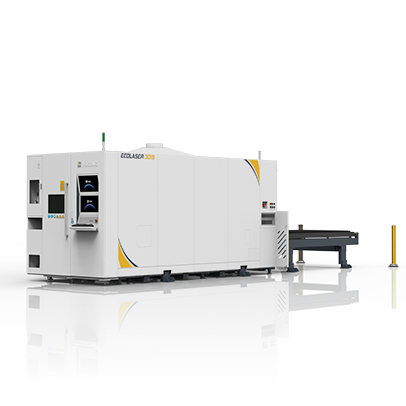
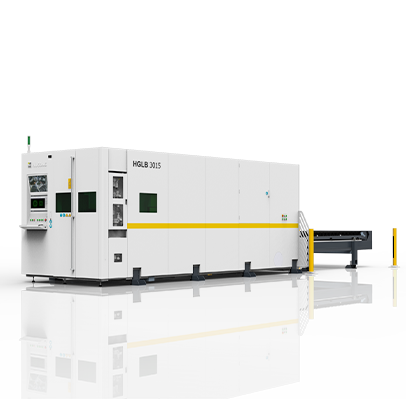
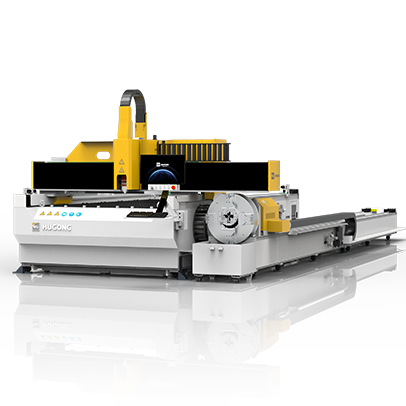
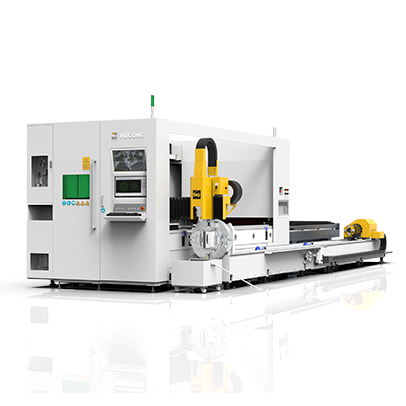
If you are considering laser technology, explore the available HUGONG fiber laser cutting machines to learn more about potential solutions for your application.
Consider CNC Plasma Cutting If:
• Your workload mainly involves conductive metal plate and structural components.
• Your required tolerances and edge quality can be achieved with plasma cutting.
• Your production needs align with the selected plasma power source and cutting table.
• The total investment and operating economics fit your business model.
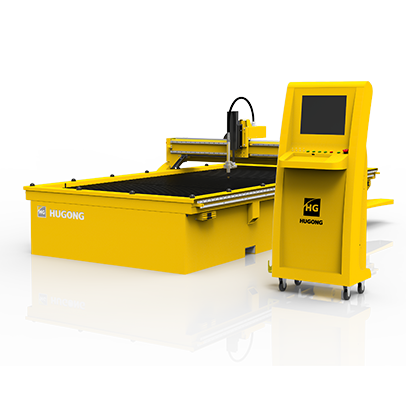
For businesses focused on plate processing and structural fabrication, reviewing HUGONG CNC plasma cutting machines can be a useful next step in evaluating suitable equipment options.
Evaluate Both Technologies If:
• You process a wide range of materials and thicknesses.
• Different customers require different levels of precision and edge quality.
• You are expanding production or replacing existing equipment.
• You need to compare total cost per part rather than purchase price alone.
Before making a final decision, compare the available machine configurations against your material range, working area, quality requirements and expected production volume. Representative cutting tests can help confirm whether a proposed solution meets your needs.
7. FAQ
1.Is laser cutting better than plasma cutting?
Not in every application. Fiber laser cutting is often preferred for precision-oriented work and detailed contours, while plasma cutting is widely used for conductive metal plate and structural fabrication. The best option depends on material, thickness, required finish, production volume and budget.
2.Is plasma cutting cheaper than laser cutting?
A plasma system may require a lower initial investment for some applications, but costs vary significantly by configuration. Operating expenses also depend on energy, gas, consumables, maintenance, labor and post-processing. Compare the total cost per acceptable finished part before making a decision.
3.Can laser cutting and plasma cutting process the same materials?
There is some overlap, including carbon steel, stainless steel and aluminum. However, compatibility, thickness range and cut quality depend on the specific machine and process configuration. Confirm the capabilities of the selected system before purchasing.
4.What should I check before buying a metal cutting machine?
Start with your material types, typical and maximum thicknesses, required working area, cut-quality expectations, production volume and budget. Ask the manufacturer to confirm the proposed configuration and, where possible, provide cutting tests using representative material.
Find the Right Metal Cutting Solution with HUGONG
Choosing between laser cutting and plasma cutting starts with understanding your production needs. Material type, thickness, part design, cut quality requirements, and production volume all play an important role in selecting the right solution.
Contact HUGONG to discuss your metal cutting applications, explore suitable equipment options, and request a quotation based on your production requirements. Our team can help you evaluate the available solutions for your business.

 Address:7177 Waiqingsong Road.Qingpu District , Shanghai , PRC
 Post Code: 201700
 E-mail:sales@hugong.com
 Tel:0086-21-51211666
 Fax:+86-21-69715399


