

.jpg)

.jpg)
Manufacturing Priorities Are Changing
For many years, manufacturers measured production performance by one simple indicator: speed.
Today, that mindset is changing.
Around the world, manufacturers are no longer asking how fast a machine can cut. Instead, they are asking how to shorten the entire production cycle, reduce manual handling, and improve overall efficiency.
This shift is changing the way tube processing is viewed across the metal fabrication industry.
What was once considered a single production step is now becoming an important part of factory optimization.
A Global Shift Toward Flexible Production
Whether in Europe, North America, Southeast Asia, or the Middle East, manufacturers are facing similar challenges.
Customers expect customized products, faster delivery, and consistent quality. At the same time, factories are dealing with rising labor costs, skilled worker shortages, and increasing pressure to improve productivity.
Instead of expanding production lines, many manufacturers are upgrading their existing processes through automation and smarter equipment.
Flexible production has become a competitive advantage rather than an optional upgrade.
Tube Processing Is Playing a Bigger Role
Metal tubes are used in almost every major manufacturing industry—from office furniture and fitness equipment to agricultural machinery, steel structures, electric vehicles, and warehouse systems.
As product designs become more sophisticated, manufacturers need tube components with greater precision and more complex geometries.
This means tube processing is no longer just about cutting material to length. It has become an essential part of improving downstream welding, assembly, and overall production quality.
Efficiency Is Now Measured Across the Entire Workflow
Many manufacturers have discovered that increasing cutting speed alone does not always increase productivity.
Production delays often occur before or after the cutting process—during material loading, setup, positioning, or secondary machining.
As a result, manufacturers are paying greater attention to the efficiency of the complete workflow rather than focusing on a single machine.
Reducing setup time, minimizing secondary processing, and simplifying production have become key objectives across modern fabrication workshops.
Automation Is Becoming Accessible to More Manufacturers
Automation is no longer limited to large industrial plants.
Today, small and medium-sized fabrication companies are also investing in technologies that help them improve consistency while reducing repetitive manual operations.
Rather than replacing experienced workers, automation is helping manufacturers make better use of skilled labor by allowing operators to manage multiple production tasks more efficiently.
This trend is expected to continue as factories pursue smarter and more sustainable production models.
Digital Manufacturing Is Influencing Equipment Selection
Another noticeable trend is the growing importance of digital manufacturing.
Manufacturers increasingly expect production equipment to integrate with factory management systems, support production planning, and provide stable, repeatable performance.
When evaluating new equipment, buyers are looking beyond machine specifications.
They want solutions that can support long-term production growth, adapt to changing market demands, and fit into future smart factory strategies.
Equipment Is Evolving Alongside Manufacturing
To meet these changing expectations, equipment manufacturers are introducing more intelligent tube processing solutions.
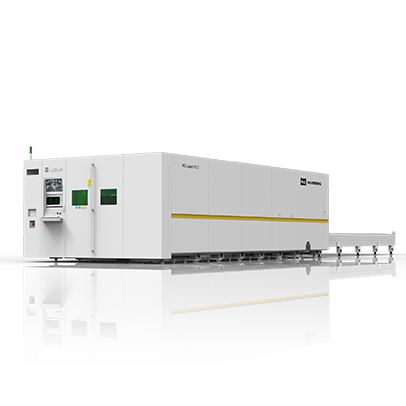
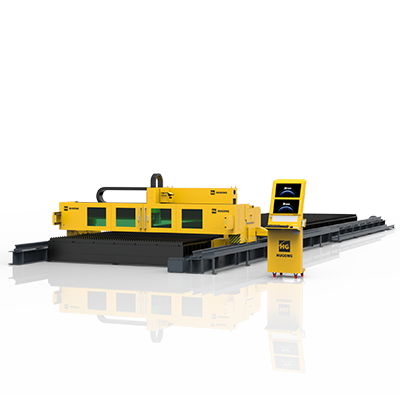
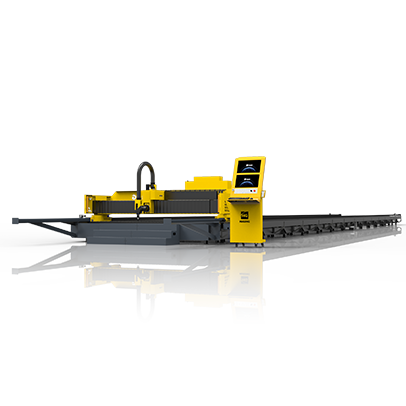
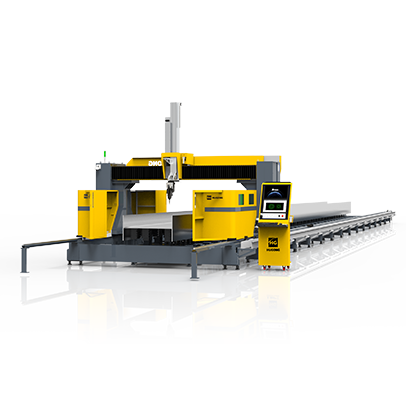
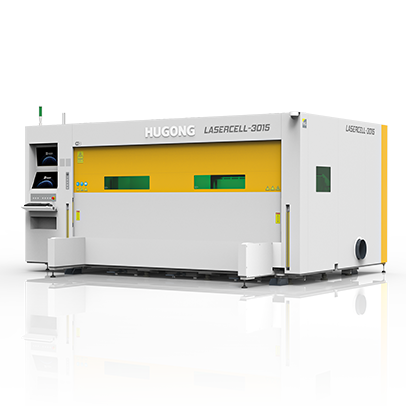
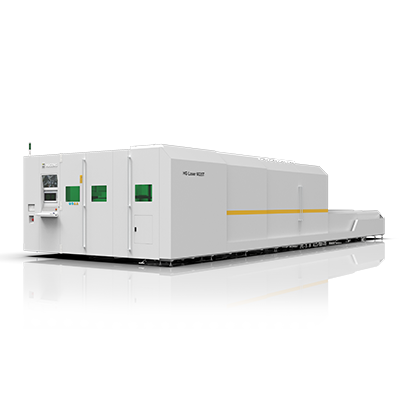
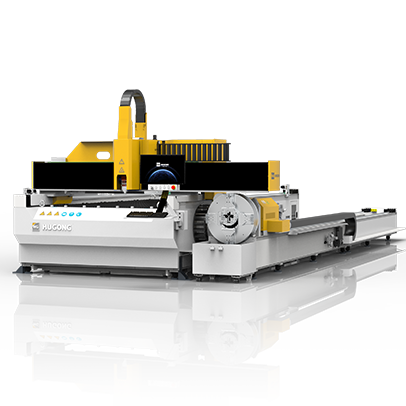
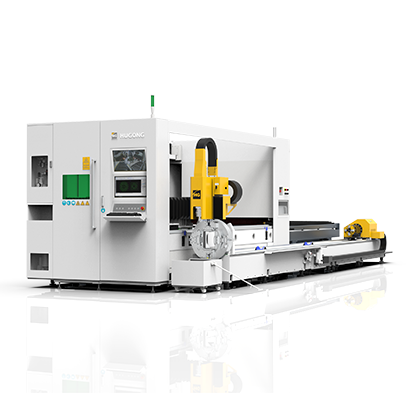
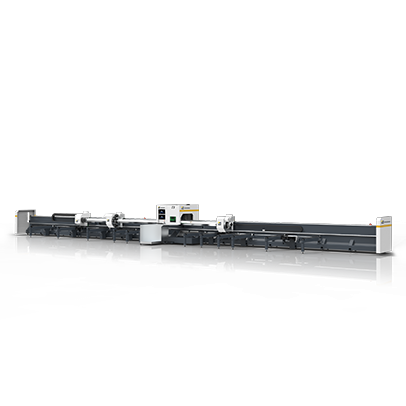
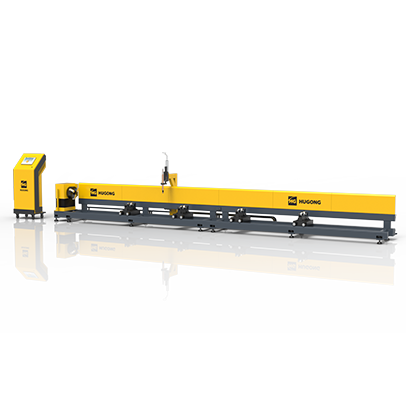
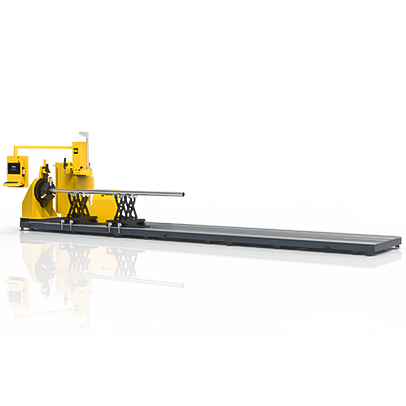
Modern fiber laser tube cutting systems focus not only on cutting quality but also on production flexibility, operational efficiency, and automation.
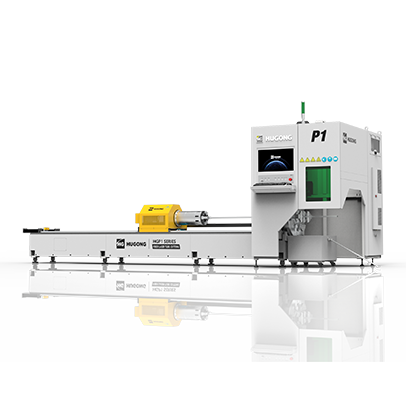
Features such as automatic tube support, intelligent positioning, full-stroke pneumatic chucks, and digital control systems are becoming increasingly common as manufacturers seek to reduce downtime and improve workflow.
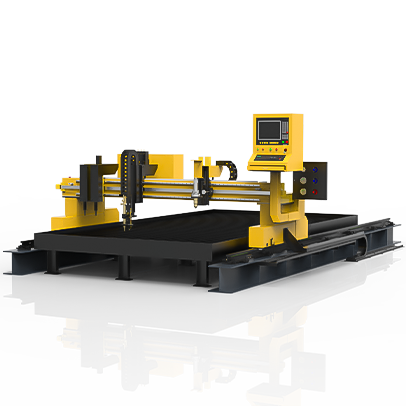
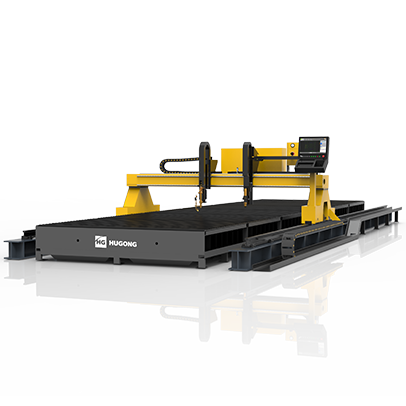
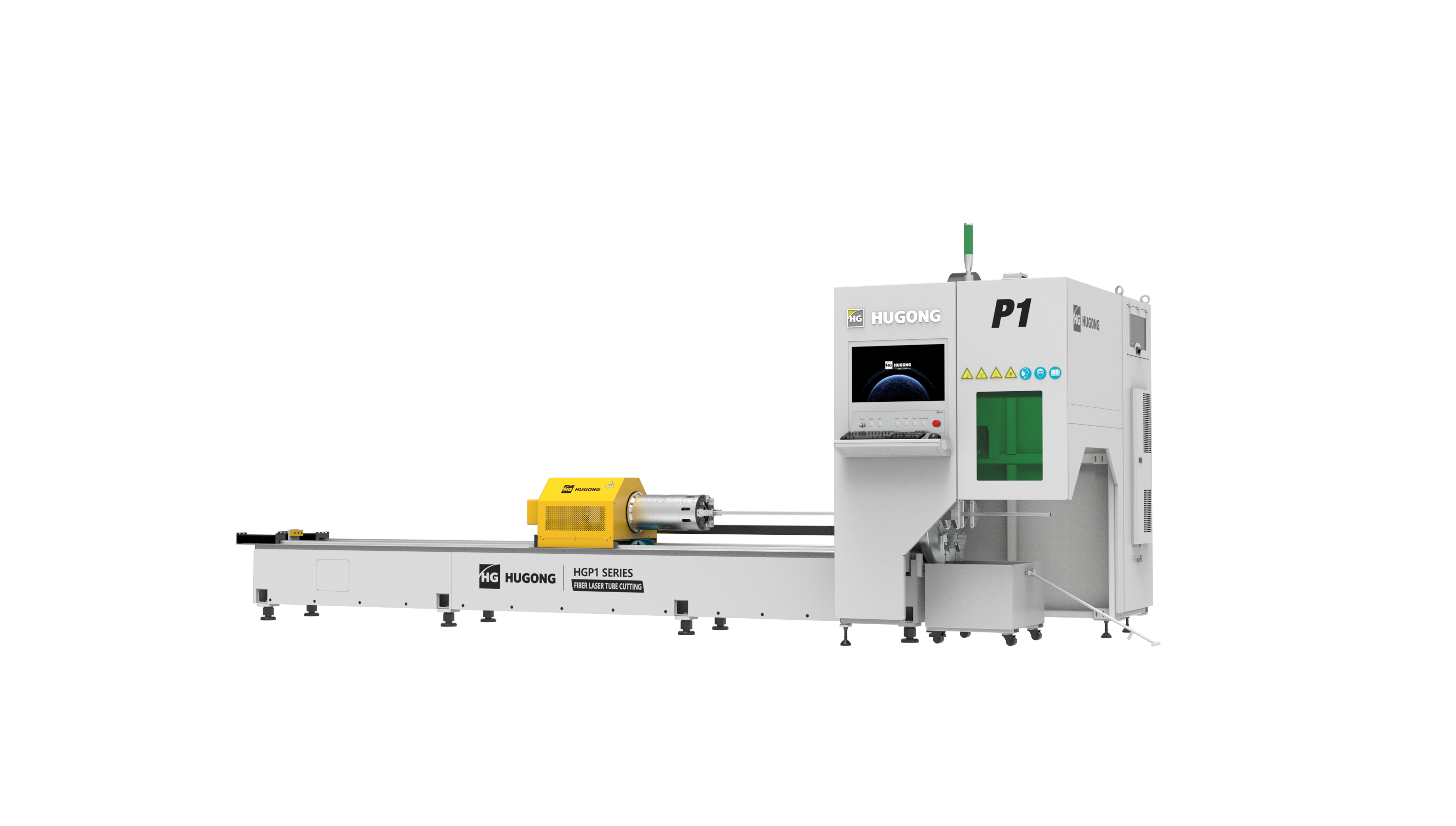
The HUGONG HGP1 Series Fiber Laser Tube Cutting Machine reflects this industry direction by combining precision processing with flexible operation, helping manufacturers improve productivity while preparing for the next stage of smart manufacturing.
Looking Ahead
The future of manufacturing will not be defined by faster machines alone.
Success will increasingly depend on how efficiently factories connect people, equipment, and production processes.
For tube processing, this means moving beyond traditional cutting methods toward more intelligent, flexible, and integrated manufacturing solutions.
As global competition continues to intensify, manufacturers that embrace smarter production technologies will be better positioned to respond to changing customer demands and build long-term competitiveness.

 Address:7177 Waiqingsong Road.Qingpu District , Shanghai , PRC
 Post Code: 201700
 E-mail:sales@hugong.com
 Tel:0086-21-51211666
 Fax:+86-21-69715399


