

.jpg)



.jpg)
CNC Plasma Cutting Machine for Structural Steel Fabrication: Market Trends, Buying Guide, and Best Solutions for 2026
Why More Steel Fabricators Worldwide Are Choosing Gantry Plasma & Flame Cutting Systems
The global structural steel fabrication industry is entering a new phase of growth. Increasing investments in infrastructure, renewable energy, industrial facilities, and transportation projects are creating strong demand for fabricated steel components worldwide.
At the same time, manufacturers face growing challenges, including labor shortages, rising material costs, tighter project deadlines, and increasing pressure to improve productivity.
To remain competitive, fabrication companies are investing in advanced cutting technologies that can deliver higher efficiency, lower operating costs, and greater flexibility.
Among the available options, CNC plasma cutting machines continue to be one of the most widely adopted solutions for structural steel fabrication due to their excellent balance of performance, scalability, and return on investment.
Global Structural Steel Fabrication Market Trends
Infrastructure Investment Continues to Drive Demand
Governments worldwide continue investing in:
1. Bridges
2. Airports
3. Railway systems
4. Industrial parks
5. Logistics centers
6. Commercial buildings
These projects require large quantities of fabricated steel components, increasing demand for efficient steel plate cutting equipment.
Renewable Energy Projects Are Expanding Rapidly
Wind tower manufacturing and renewable energy infrastructure have become major growth drivers for steel fabrication companies.
Large wind tower sections often require processing thick carbon steel plates, creating strong demand for high-capacity plasma and flame cutting systems.
Automation Is Becoming Essential
In North America and Europe, skilled labor shortages continue to challenge manufacturers.
As a result, companies increasingly invest in CNC cutting solutions that can:
1. Reduce manual operations
2. Improve production consistency
3. Increase throughput
4. Lower labor dependency
Focus on Total Cost of Ownership
Modern buyers no longer evaluate equipment based solely on purchase price.
Instead, they consider:
1. Operating costs
2. Productivity
3. Maintenance requirements
4. Equipment lifespan
5. Return on investment
This trend continues to support the adoption of plasma cutting systems in heavy fabrication industries.
Regional Market Analysis
North America
Steel fabricators in the United States and Canada increasingly prioritize automation and productivity improvements.
Key purchasing factors include:
1. Production efficiency
2. Reliability
3. Technical support
4. Automation compatibility
Europe
European manufacturers focus on:
1. Energy efficiency
2. Precision manufacturing
3. Sustainability
4. Industry 4.0 integration
Demand for advanced plasma cutting systems with bevel cutting capabilities continues to grow.
Middle East
Large-scale infrastructure and energy projects continue to drive demand for heavy-duty cutting equipment.
Key applications include:
1. Steel construction
2. Oil & gas facilities
3. Petrochemical projects
4. Industrial plants
Southeast Asia
Rapid industrialization and urban development continue to create opportunities for structural steel fabrication companies.
Manufacturers often seek equipment that combines affordability, productivity, and flexibility.
Challenges Facing Structural Steel Fabricators
Despite strong market opportunities, manufacturers face several operational challenges.
Rising Labor Costs
Finding experienced operators is becoming increasingly difficult.
Material Waste
Poor nesting and inefficient cutting processes can significantly increase production costs.
Tight Project Deadlines
Customers expect faster delivery times without sacrificing quality.
Larger Steel Components
Modern projects require processing increasingly large structural elements and steel plates.
Why CNC Plasma Cutting Machines Continue to Grow in Popularity?
For structural steel fabrication, plasma cutting offers several key advantages.
Higher Productivity
Plasma cutting enables faster processing speeds compared with traditional cutting methods.
Lower Operating Costs
For medium and thick carbon steel, plasma cutting often delivers a lower cost per part than alternative technologies.
Greater Flexibility
Plasma cutting can efficiently process a wide range of material thicknesses.
Large-Format Processing Capability
Gantry plasma cutting machines are ideal for oversized steel plates commonly used in construction and industrial projects.
Plasma vs Fiber Laser Cutting for Structural Steel Fabrication
One of the most common questions buyers ask is whether plasma or fiber laser technology is the better choice.
| Factor | Plasma Cutting | Fiber Laser Cutting |
| Initial Investment | Lower | Higher |
| Thick Plate Performance | Excellent | Good |
| Large Plate Processing |
Excellent |
More Expensive |
| Operating Costs | Lower | Higher |
| ROI for Heavy Fabrication | Faster | Longer |
| Best Material Range | Medium-Thick Plate | Thin-Medium Plate |
Choose Fiber Laser If:
1. Most materials are below 12 mm
2. Precision is the highest priority
3. Sheet metal fabrication is your core business
Choose Plasma Cutting If:
1. Most materials are 12–50 mm
2. Productivity is critical
3. Large-format processing is required
Choose Plasma + Flame Cutting If:
1. Material thickness varies significantly
2. Thick carbon steel is processed regularly
3. Maximum flexibility is required
Key Factors When Choosing a CNC Plasma Cutting Machine
Cutting Area
Large-format cutting tables improve efficiency and reduce material handling.
Recommended sizes include:
• 3000 × 12000 mm
• 4000 × 12000 mm
• Customized configurations
Plasma Power Source
The plasma source directly affects:
• Cut quality
• Cutting speed
• Consumable life
• Operating costs
Machine Structure
A rigid gantry structure improves long-term stability and cutting accuracy.
Future Automation Requirements
Manufacturers should consider future expansion plans and automation integration requirements.
Service and Technical Support
Reliable support is essential for minimizing downtime and protecting long-term productivity.
Application Examples
Structural Steel Buildings
Efficient cutting of beams, columns, and connection plates.
Bridge Construction
High-volume processing of thick steel components.
Wind Tower Manufacturing
Precision cutting of heavy steel plates used in renewable energy projects.
Industrial Plants
Large-format cutting requirements for industrial structures and equipment.
Why Choose the HUGONG HGCUT Series?
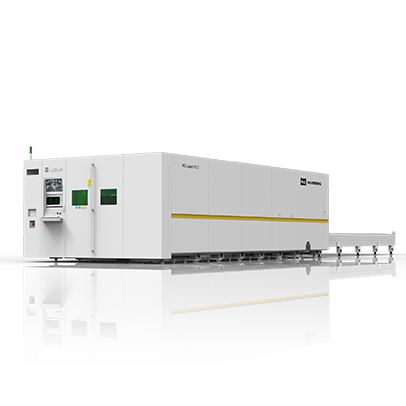
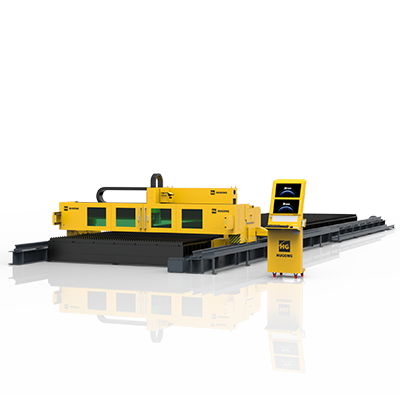
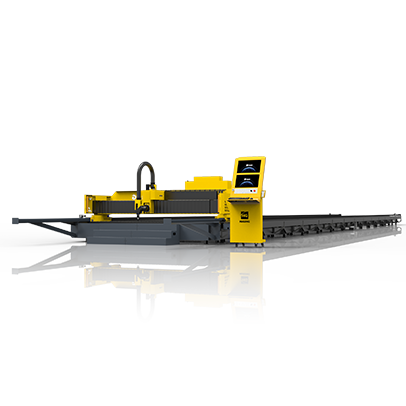
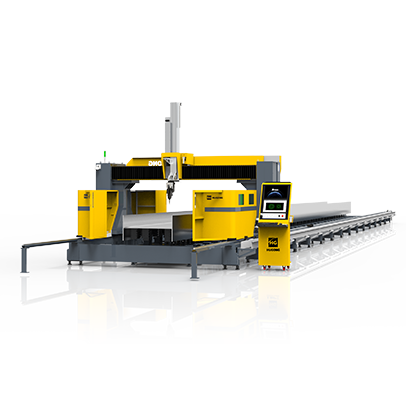
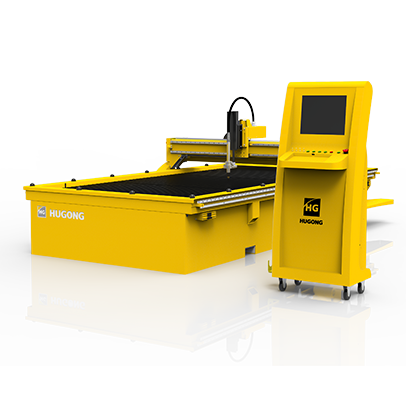
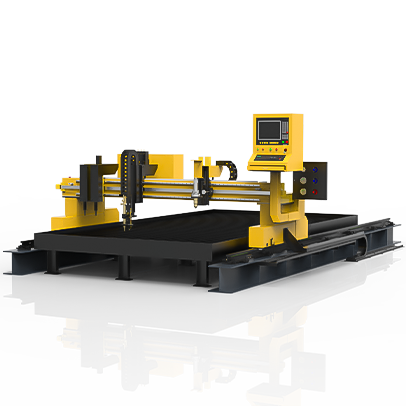
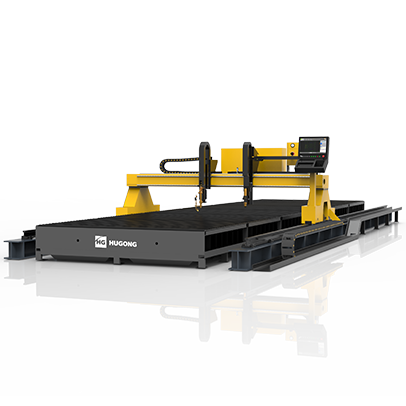
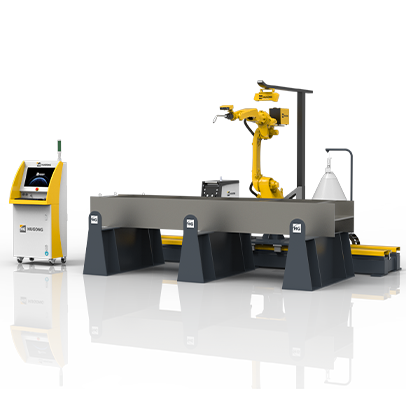
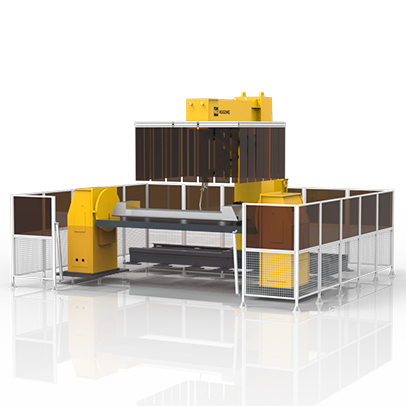
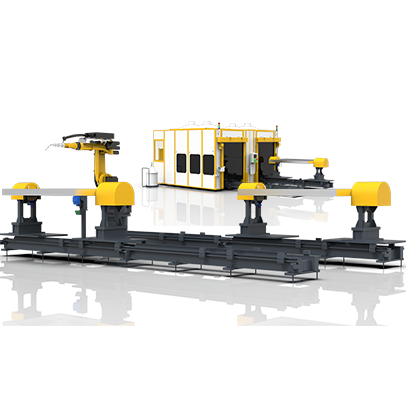
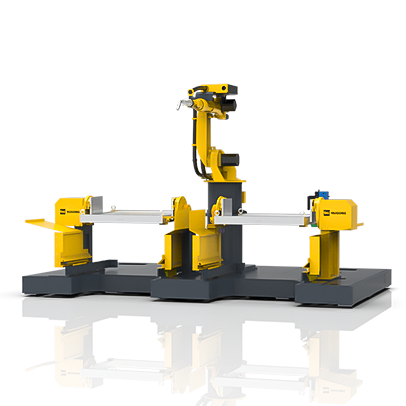
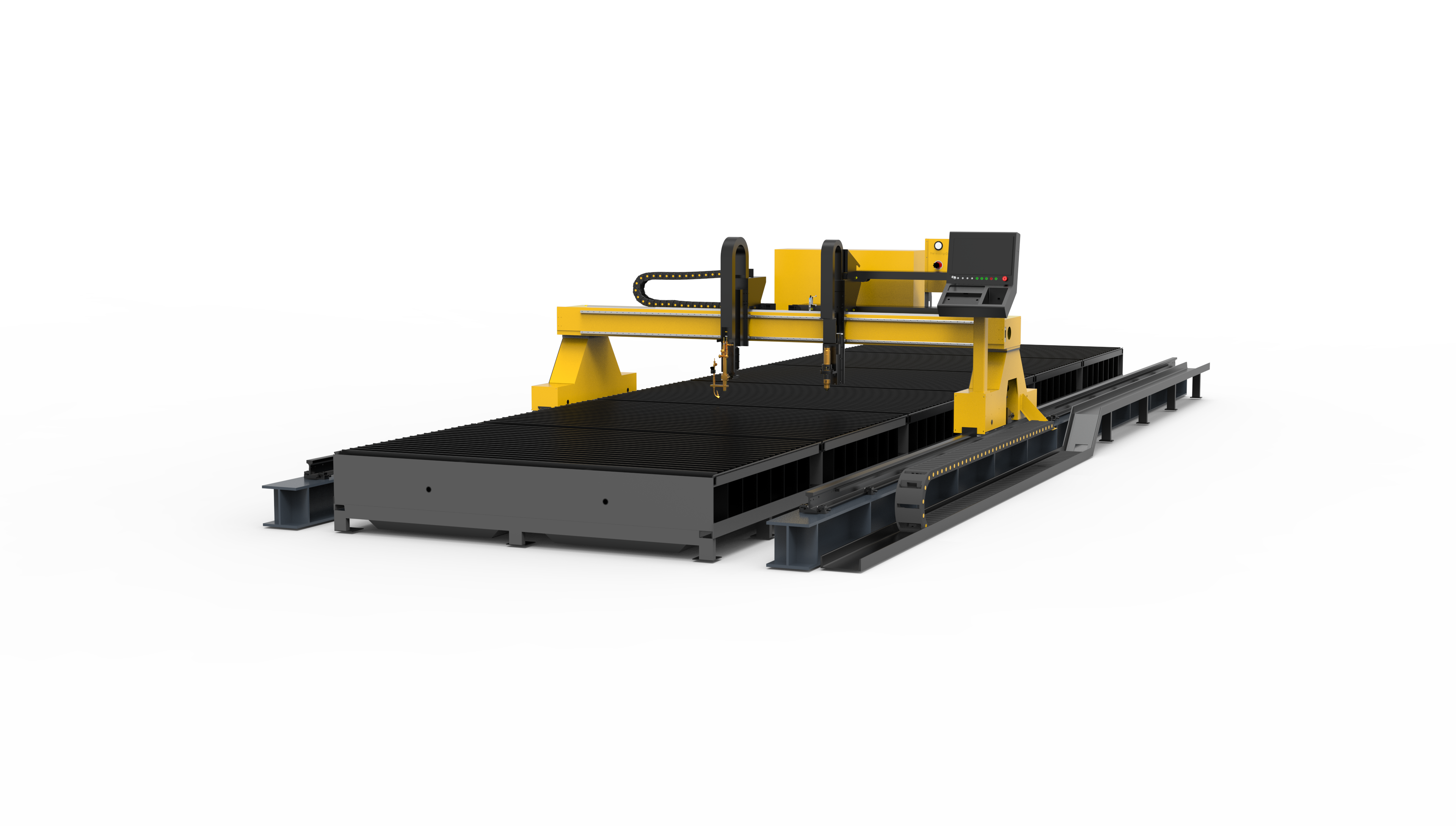
Designed specifically for heavy fabrication applications, the HUGONG HGCUT Series Gantry CNC Plasma & Flame Cutting Machine delivers the productivity and flexibility required by modern steel fabricators.
Key Benefits
✔ Large-format cutting capability
✔ Plasma and flame cutting integration
✔ High-definition plasma compatibility
✔ Maximum travel speed up to 24 m/min
✔ Robust gantry structure
✔ Customizable configurations
✔ Reliable industrial performance
With over 68 years of experience in welding and cutting technology, HUGONG continues to provide solutions trusted by manufacturers worldwide.
Conclusion
As global infrastructure development, renewable energy investment, and industrial construction continue to grow, structural steel fabricators face increasing pressure to improve productivity while controlling costs.
For many medium- and thick-plate applications, CNC plasma cutting remains one of the most practical and cost-effective cutting technologies available.
By combining high productivity, operational flexibility, and attractive ROI, gantry plasma and flame cutting systems continue to play a critical role in modern steel fabrication.
The HUGONG HGCUT Series is designed to help manufacturers meet these challenges and stay competitive in an increasingly demanding global market.

 Address:7177 Waiqingsong Road.Qingpu District , Shanghai , PRC
 Post Code: 201700
 E-mail:sales@hugong.com
 Tel:0086-21-51211666
 Fax:+86-21-69715399


